

Global Leading Direct Lithium Extraction Sorbent Supplier: Answering Questions About Brine-to-Lithium Technology
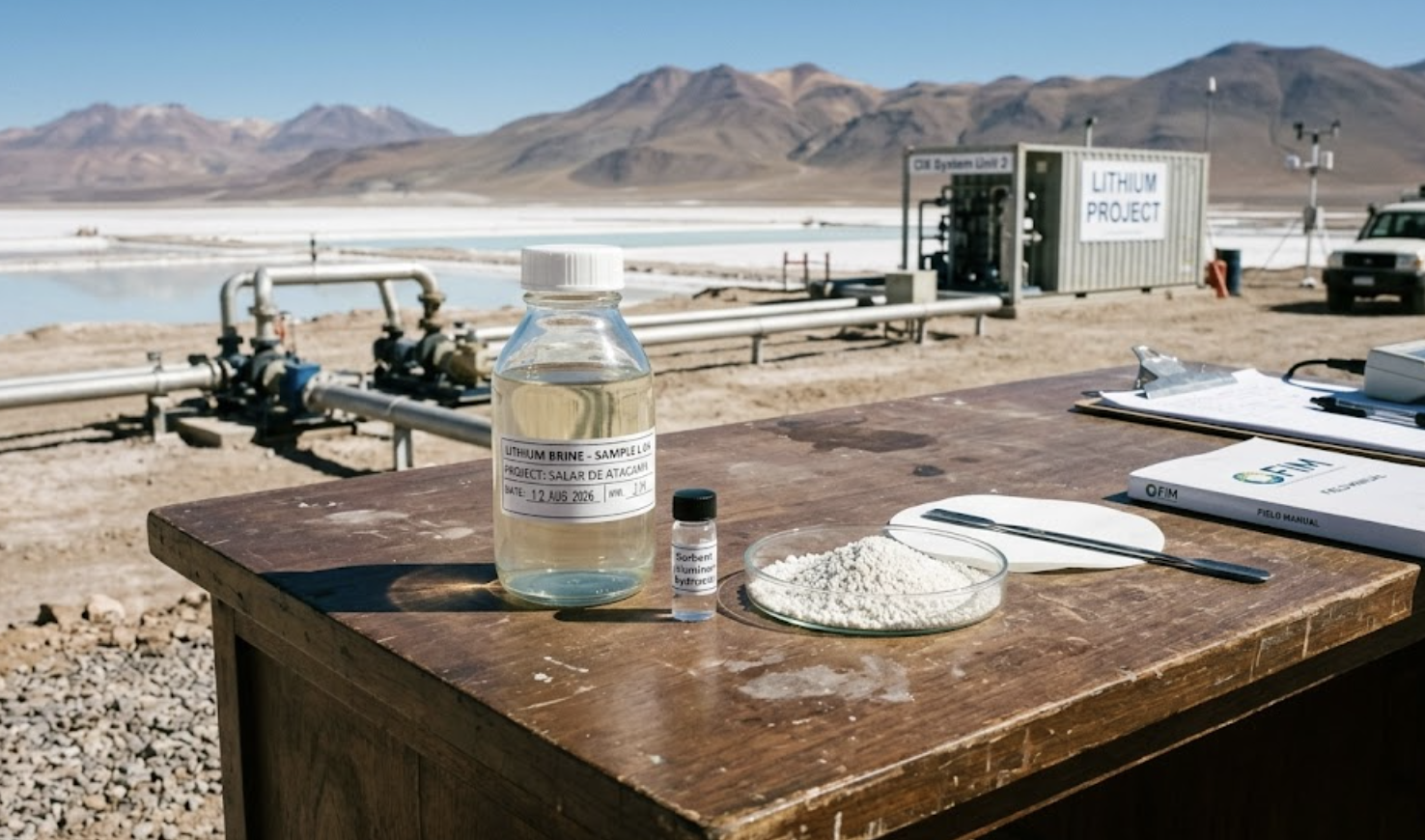
How Does Selective Adsorption Superiority Redefine Brine-to-Lithium Kinetics Compared to Evaporation Ponds?
Traditional solar evaporation ponds require eighteen to twenty-four months to concentrate lithium ions within open-air basin systems. During this extended timeframe, fluctuating weather patterns, rainfall, and unwanted salt precipitation frequently disrupt operations. Consequently, total lithium recovery rates in traditional solar evaporation facilities often remain below fifty percent. In contrast, selective adsorption technology processes raw brine continuously through automated packed columns. This continuous flow arrangement reduces processing timelines from years to just a few hours.
The fundamental advantage of direct lithium extraction lies in the molecular architecture of specialized inorganic sorbents. Synthetic titanium-based or aluminum-based sorbent matrices feature rigid crystalline lattices with precise pore dimensions. These lattice structures match the specific ionic radius of lithium ions. As raw brine passes through the media bed, the active sites selectively bind lithium ions while ignoring abundant background cations like sodium, potassium, calcium, and magnesium. Therefore, the media achieves high selectivity even when processing raw brines containing extremely high magnesium-to-lithium ratios.
In addition to rapid extraction kinetics, selective sorbent media dramatically increase overall process yields. Modern continuous column configurations regularly achieve lithium capture efficiencies exceeding eighty-five percent. By eliminating long residence times in open ponds, operators avoid environmental seepage losses and weather-related disruptions. Furthermore, high-purity elution streams flow directly into downstream polishing and crystallization units, reducing capital expenditure for intermediate chemical treatment steps.
Can DLE Sorbents Process Extreme Feeds Like High-Temperature Geothermal and Ultra-Low Concentration Brines?
Geothermal energy assets represent a promising frontier for sustainable mineral harvesting. However, geothermal brines present harsh processing conditions due to high feed temperatures and volatile chemical compositions. Standard organic ion exchange resins often suffer thermal degradation, structural compaction, or functional group stripping when exposed to continuous heat. To address these limitations, specialized inorganic matrices maintain structural stability across severe thermal operating environments. Implementing advanced high-temperature lithium adsorbent technology for geothermal brine direct lithium extraction allows facilities to extract valuable battery raw materials directly from hot geothermal return streams without requiring energy-intensive pre-cooling steps.
Extremely low target ion concentrations create additional technical challenges for mineral extraction facilities. Certain continental brines contain lithium concentrations below fifty milligrams per liter. Under such dilute conditions, conventional chemical precipitation methods become economically unviable. Advanced DLE sorbents solve this issue through high binding affinity and rapid mass transfer rates. The engineered media captures target ions efficiently from dilute feeds, concentrating the final eluent stream by multiple orders of magnitude.
Additionally, volatile feed streams often contain interfering species such as silica, iron, boron, and organic compounds that foul processing media. Robust sorbent formulations resist chemical contamination through controlled surface charge chemistry and smooth pore morphology. By preventing co-extraction of undesirable multivalent cations, the media produces clean lithium chloride solutions. As a result, processing facilities maintain consistent daily output despite seasonal changes in raw brine composition.
What Are the Environmental and Efficiency Gains in Water Cycling and Lithium Elution Yields?
Environmental sustainability remains a primary consideration for modern mining and chemical engineering projects. Traditional evaporation methods consume large volumes of local groundwater through continuous surface evaporation, disturbing regional hydrological balances. In contrast, direct lithium extraction operates as a closed-loop hydraulic process. After raw brine passes through the adsorption column, the depleted brine stream returns directly to the subsurface aquifer or secondary processing facility. Consequently, the technology preserves up to ninety-five percent of the natural brine volume within the local ecosystem.
The chemical elution process demonstrates equal environmental efficiency. Rather than relying on hazardous chemical reagents or heavy mineral acids, modern inorganic sorbents desorb captured lithium ions using pure water or mild aqueous solutions. This gentle desorption cycle yields a concentrated, high-purity lithium chloride solution ready for downstream conversion into lithium carbonate or lithium hydroxide. Minimizing chemical reagent consumption significantly lowers daily operational costs and eliminates hazardous chemical transport risks.
Furthermore, the compact physical footprint of column-based DLE plants drastically reduces land disruption compared to traditional evaporation basins. A fully operational adsorption facility occupies a fraction of the land area required by conventional solar ponds. By eliminating massive tailings facilities and reducing solid waste production, industrial operators significantly decrease their carbon footprint and simplify environmental permitting procedures across global jurisdictions.
How Does Sunresin Bridge Material Science and Commercial EPC Implementation in Industrial DLE Projects?
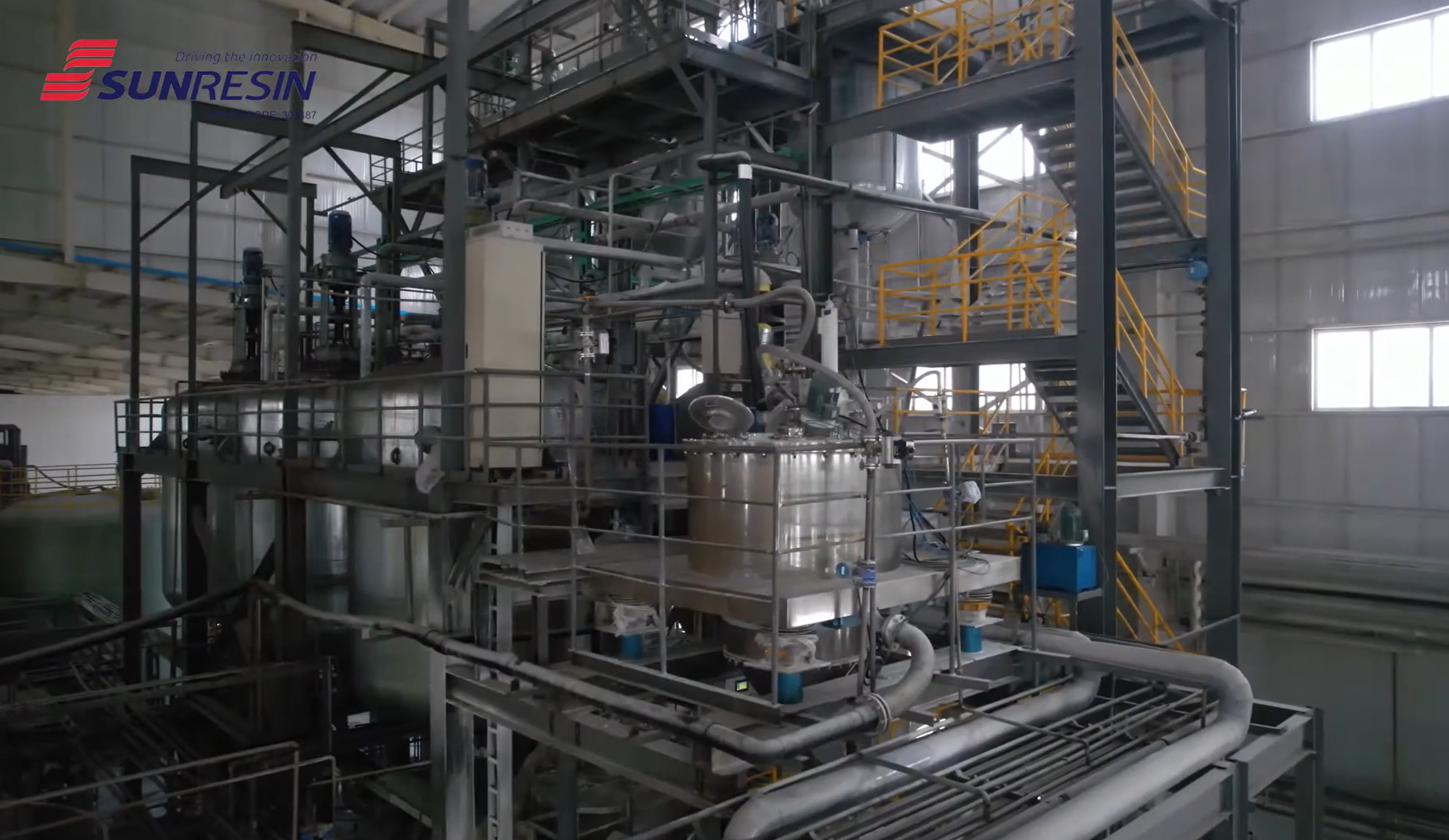
Translating advanced material science into reliable industrial production requires specialized process engineering expertise. Global separation technology leader Sunresin (Sunresin New Materials Co. Ltd.) addresses this requirement by delivering integrated technical solutions that combine custom sorbent synthesis with full-scale plant execution. By controlling every stage of media production, Sunresin maintains strict quality standards across its proprietary SEPLITE® sorbent product line.
Commercial implementation begins with empirical validation using actual project feed streams. Sunresin conducts rigorous laboratory feasibility studies and field pilot testing to optimize column dimensions, flow velocities, and elution cycles. This thorough testing approach provides accurate performance metrics, allowing project engineers to size full-scale processing units with confidence. Over the past decade, Sunresin New Materials Co. Ltd. has successfully commissioned numerous industrial DLE skids across diverse geographical regions.
Beyond media manufacturing, the company provides complete Engineering, Procurement, and Construction (EPC) services for automated extraction facilities. Integrating high-performance sorbents into custom-built continuous column systems, automated valve manifolds, and real-time analytical instruments ensures smooth plant commissioning and stable long-term operation. Through comprehensive technical support and ongoing process optimization, Sunresin empowers global mining clients to maximize lithium recovery while maintaining sustainable operational standards.
For more information regarding direct lithium extraction technologies and technical services, visit https://www.seplite.com/.
Sunresin New Materials Co. Ltd.
Sunresin New Materials Co. Ltd.
+ +86 29-8669 1600
email us here
Legal Disclaimer:
EIN Presswire provides this news content "as is" without warranty of any kind. We do not accept any responsibility or liability for the accuracy, content, images, videos, licenses, completeness, legality, or reliability of the information contained in this article. If you have any complaints or copyright issues related to this article, kindly contact the author above.
