AGP Executive Report
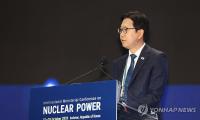
Last update: 5 hours agoAI Infrastructure: Malaysia confirmed SoftBank as the investor behind a proposed US$50 billion technology push, with AI and data-center projects planned in Sarawak and Peninsular Malaysia. Science and Innovation: India’s three-day Emerging Science, Technology and Innovation Conclave opens today, bringing together researchers, industry and 150 deep-tech startups to discuss fields from AI to climate science. Nuclear Energy: Hyundai Engineering signed US agreements to explore demonstration projects for two next-generation small modular reactor designs, targeting demand for reliable, low-carbon power. Quantum Sensing: Adelaide researchers found a simpler way to help highly sensitive quantum sensors identify zero magnetic fields, with potential uses in brain imaging and medical diagnostics. Cybersecurity: The US cyber agency’s new CISA 2030 strategy calls for a more proactive defense of critical infrastructure against increasingly sophisticated threats. Cancer Treatment: Roche reported phase III results showing its experimental drug divarasib reduced the risk of death in previously treated KRAS G12C-mutated lung cancer compared with current inhibitors.
Note: AI summary from news headlines; neutral sources weighted more to help reduce bias in the result. Feedback is welcome. Please let us know if you have any comments or suggestions about the AGP Executive Report.
 Perspectify News